Home/Solutions
SOLUTIONS

Solutions

Four directions, one principle: measure the site before choosing the equipment.

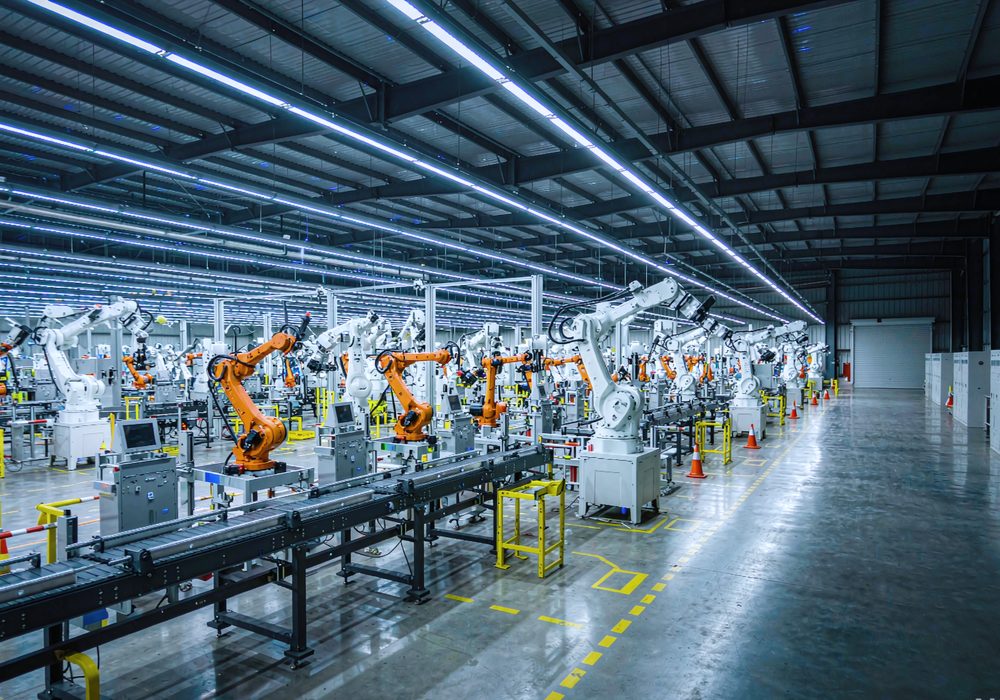
5G Private Network for Thermal Power Plants 01 / THERMAL POWER
THERMAL POWER

5G Private Network for Thermal Power Plants

One network across the plant for inspection, maintenance, video and positioning — data stays on site, latency is predictable.

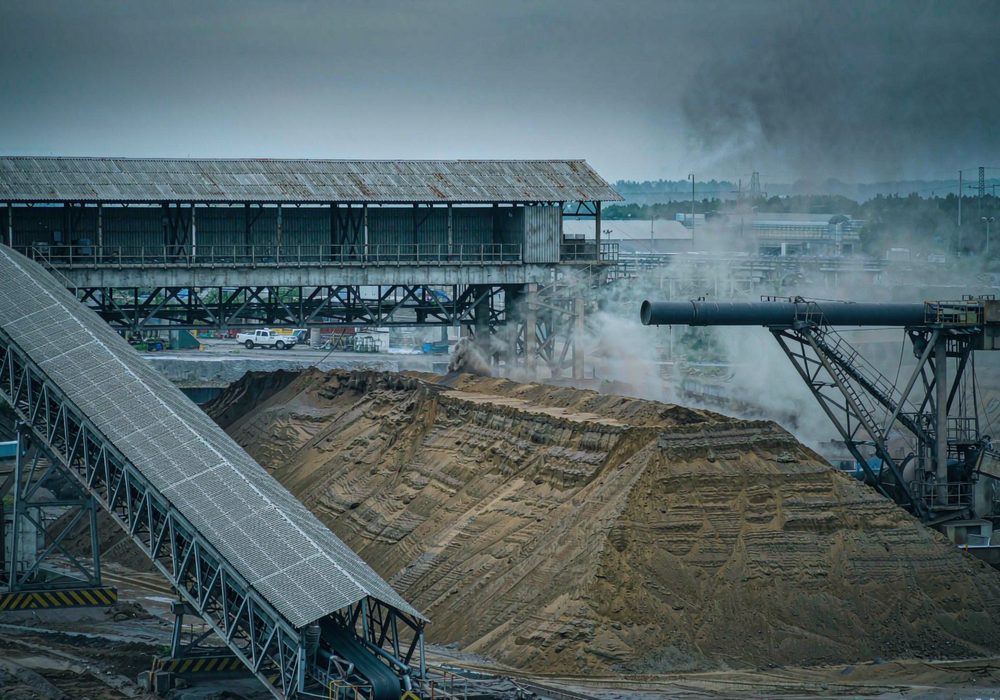
Thermal plants are heavy steel, dense obstruction and a noisy RF environment. Coal bunkers, boiler houses, turbine halls and conveyor galleries are where public networks fail and WiFi cannot handle mobility or uplink bandwidth.

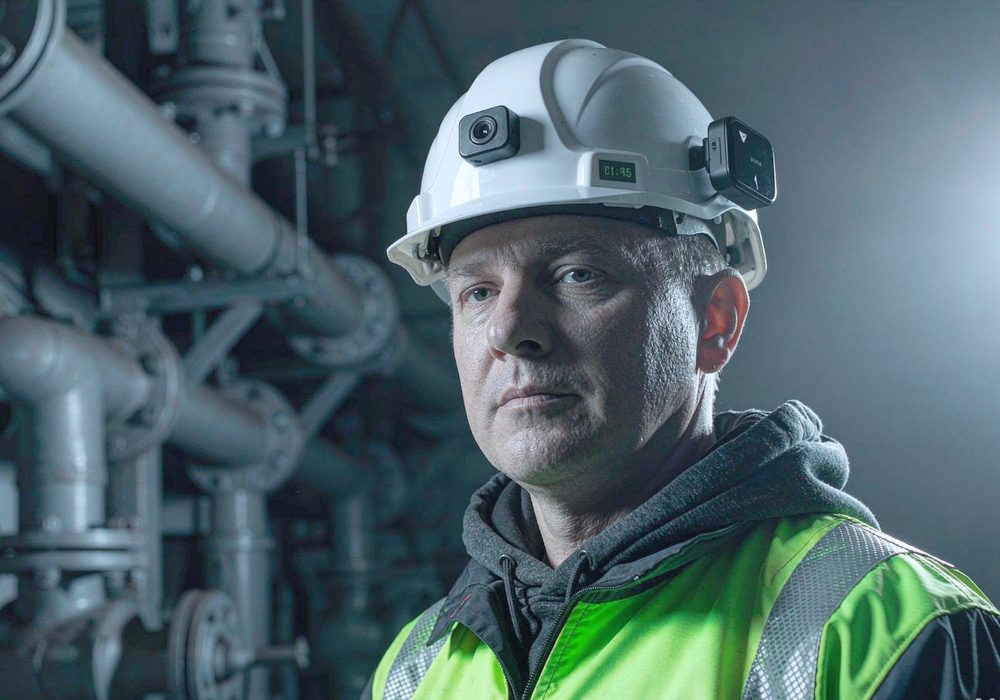
We build a private 5G network on site: the core sinks into the plant equipment room, macro radios cover the coal yard and roads, pRRUs fill the buildings. Inspection robots, smart helmets, wireless temperature sensing and video all run on one network, isolated by network slicing so they do not compete for bandwidth.

Data never leaves the plant, so the boundary with DCS, SIS and production management stays as it is; anything destined for group HQ goes out over a dedicated line.

  • Full coverage — Outdoor macro plus indoor pRRU, extra points behind metal
  • Uplink first — Uplink slice for video and sensor data
  • Data stays on site — Sunk UPF keeps production data inside
  • Scalable — Start with one 5GC, add capacity per unit
Plant coverageInspection robotsPersonnel positioningVideo backhaulWireless sensing
5G Private Network for Wind Farms 02 / WIND POWER
WIND POWER

5G Private Network for Wind Farms

A tower is a steel cylinder — signal cannot get in. One pico per tower, backhaul aggregated at the substation.

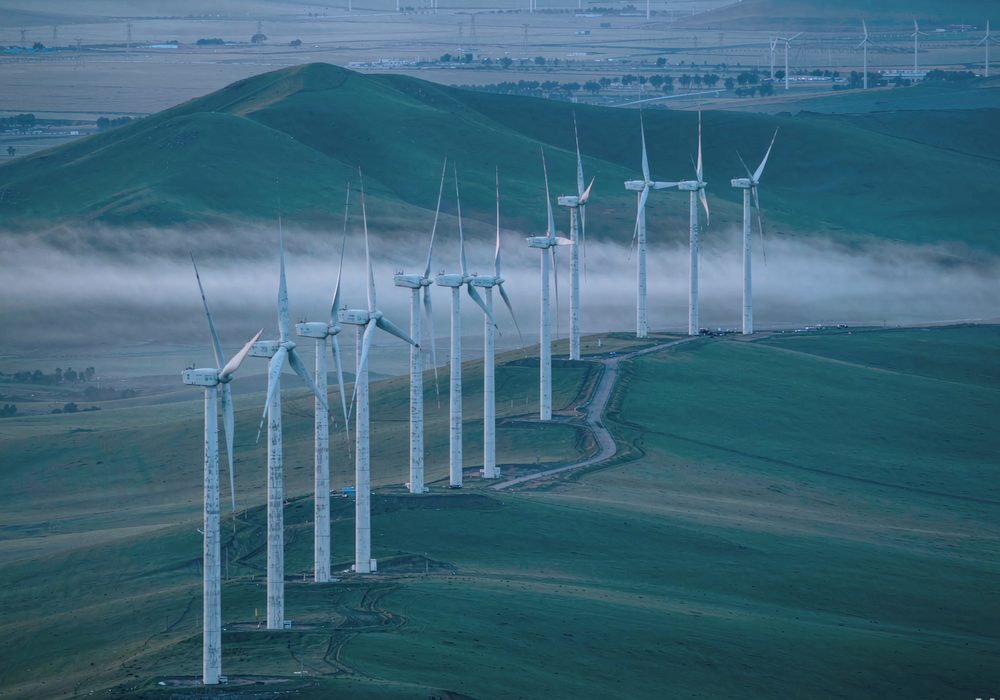
The difficulty on a wind farm is not area, it is structure. Nacelle and tower are closed steel volumes where public coverage is effectively zero, and hundreds of metres separate turbines, so wireless backhaul is not realistic.

We do point coverage with centralised backhaul: a rugged pico inside each tower, fiber down the ladder to the base, all aggregated at the substation equipment room where the core and network management live. Outdoor macros fill the roads between positions.

Drone inspection, tower-climbing robots, smart helmets and vibration monitoring share one network, and the operations team sees every turbine from the substation.

  • Point coverage — One pico per tower, no wall penetration
  • Centralised backhaul — Fiber to the substation, wireless only at the edge
  • Low maintenance — Unattended sites, managed centrally
  • Rugged — Wide temperature, salt-fog resistant
Tower coverageDrone inspectionClimbing robotsVibration monitoringSubstation aggregation
Indoor Digital DAS Coverage 03 / INDOOR COVERAGE
INDOOR COVERAGE

Indoor Digital DAS Coverage

Plants, offices, basements — planned per workstation and partition, not per square metre.

The most common mistake in indoor coverage is dividing floor area by per-site coverage. Steel structures, switch rooms, lift lobbies and fire compartments all stop signal halfway, so the resulting density is too low where it matters.

We count workstations first, then decide the number of radio points: draw per room and partition, calculate concurrent terminals per zone, then choose pRRU or pico. Fiber follows the cable tray, power comes from the nearest distribution box.

Digital DAS lets capacity follow zones — extra remotes in meeting rooms and control centres, fewer in warehouses, instead of one uniform density per floor.

  • Per workstation — Count terminals first, then radio points
  • Capacity by zone — More remotes where density is high
  • Clean cabling — Fiber on trays, local power, no production impact
  • Expandable — Spare EU ports, add coverage without a new BBU
WorkshopsOfficesBasementsControl centresHigh-density meeting rooms
Personnel Safety & Positioning 04 / SAFETY & POSITIONING
SAFETY & POSITIONING

Personnel Safety & Positioning

Positioning should not mean a second network — compute location on the network you already have.

Many projects build positioning as a separate system: one UWB network, one 5G network, two sets of devices, power and maintenance. In the end nobody can keep up with it.

Instead we let the pRRU double as a positioning anchor: external UWB or Bluetooth beacons, location solved at the edge, sharing backhaul and power with 5G. Staff, contractors and vehicles use one tag set, and geofences are configured on the platform.

For plants and mines the value is not seeing where people are — it is replaying a route after an incident, alerting automatically in hazardous zones, and having evidence for contractor management.

  • One network — 5G and positioning share pRRU, backhaul and power
  • Tiered accuracy — UWB centimetre, Bluetooth metre — per zone
  • Geofencing — Entry, dwell and over-occupancy alerts
  • Replayable — Route history for incidents and contractors
Personnel trackingGeofencingContractor managementVehicle dispatchEmergency response